10 Essential Tips for Using a Housing Generator Effectively?
In today’s world, understanding how to effectively utilize a Housing Generator is increasingly critical. According to the U.S. Energy Information Administration, nearly 27% of energy outages last longer than one hour. This statistic underscores the importance of having a reliable power source ready. Housing Generators serve as essential backup systems, especially in areas prone to natural disasters or unexpected outages.
Yet, many users are unaware of best practices for maximizing performance. Poor setup and maintenance can lead to inefficiencies or even safety hazards. The Consumer Product Safety Commission highlights that improper generator use can result in carbon monoxide poisoning and electrical fires. This alarming data reveals the necessity for informed usage.
Utilizing a Housing Generator effectively requires knowledge and care. Users should remain vigilant about fuel types, maintenance schedules, and environmental regulations. By following expert guidelines, one can significantly enhance their generator's lifespan and reliability. However, the challenge lies in balancing convenience with safety. Awareness of potential pitfalls is crucial for any Housing Generator owner.
Understanding Different Types of Housing Generators for Home Use
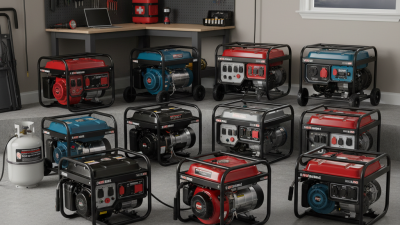
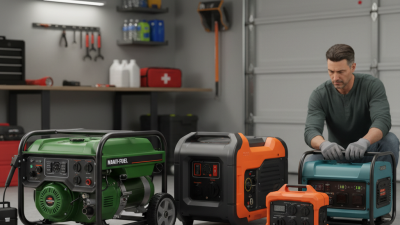
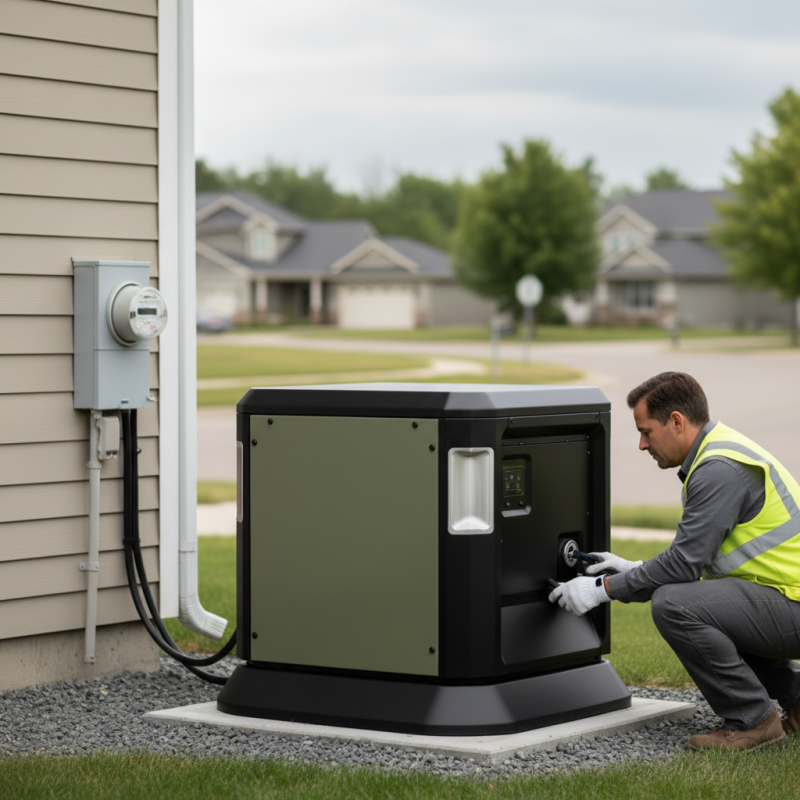
When considering housing generators for home use, it's crucial to understand the available types. Portable generators are popular due to their flexibility. They can power essential appliances during outages. However, they often require manual setup and are limited in power output. If you live in an area prone to blackouts, a stationary generator might be more suitable. These units provide consistent power but require permanent installation and a more significant investment.
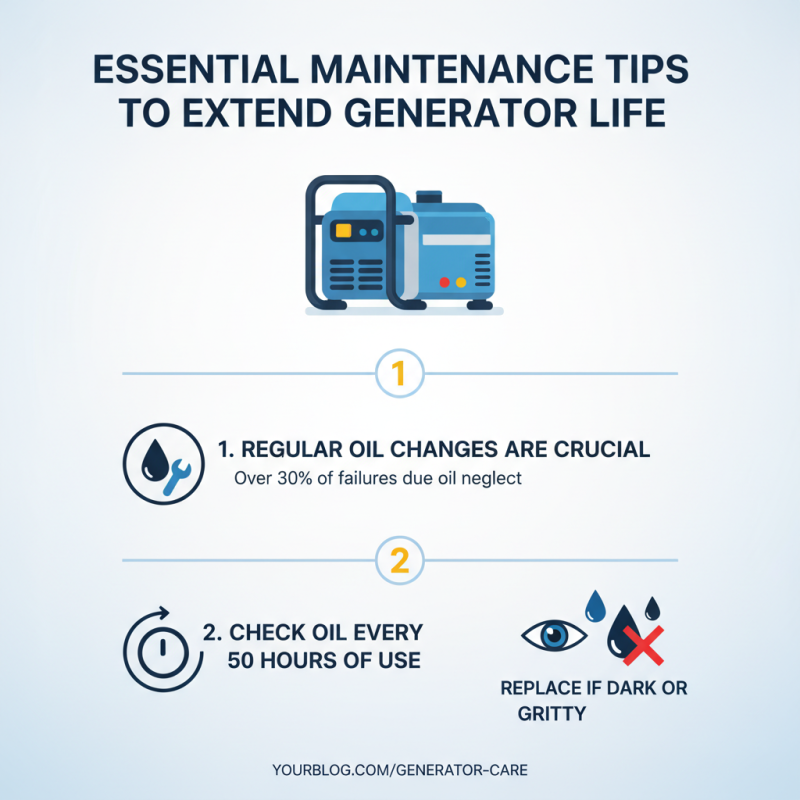
Solar generators are gaining attention for their eco-friendliness. They utilize solar panels to convert sunlight into energy. While the initial cost can be high, they save on fuel and are quiet. Yet, their efficiency depends on sunlight availability. Additionally, some homeowners overlook maintenance. Generators, regardless of type, need regular checks. This includes oil changes and battery assessments. Ignoring these can lead to failures when you need power most.
Key Safety Measures When Operating a Housing Generator
Operating a housing generator carries inherent risks. Adhering to key safety measures can substantially mitigate these dangers. Portable generators produce carbon monoxide (CO), a silent and deadly gas. The Centers for Disease Control and Prevention (CDC) reports about 400 deaths per year in the U.S. related to CO poisoning from generators. Always operate the generator outdoors, away from windows and doors, to prevent harmful gas accumulation indoors.
Proper maintenance is essential for optimal performance. Regularly check fuel lines for leaks and inspect electrical connections for wear. The North American Generators Association indicates that 25% of generator failures are linked to inadequate maintenance. Ensure you keep an appropriate fire extinguisher nearby, as flammable fuel can spark an unexpected fire. Install carbon monoxide detectors in your home, especially if using a generator frequently, to enhance safety further.
Additionally, when using a housing generator, avoid overloading the unit. This risk can cause electrical fires or damage to the generator. Aim to run only essential appliances simultaneously. Experts recommend keeping load limits in mind, which typically range from 3,000 to 7,500 watts for residential generators. Always consult the user manual for specific guidelines. Mistakes are easy to make, so meticulous attention to safety practices is non-negotiable.
Optimizing Fuel Efficiency for Prolonged Generator Operation
When operating a housing generator, optimizing fuel efficiency is paramount. According to the U.S. Department of Energy, improper fuel management can reduce efficiency by up to 30%. This highlights the need for careful planning and usage. Ensuring the generator runs at optimal load levels enhances fuel combustion and reduces waste. Many generators operate best when loaded to 70-80% of their rated capacity. This means that users should regularly monitor their power needs to prevent overloading or underutilization.
Regular maintenance also plays a critical role in fuel efficiency. A study from the National Renewable Energy Laboratory indicated that poorly maintained generators consume more fuel. Simple tasks, like changing oil and replacing air filters, can lead to significant performance enhancements. Fuel quality is another factor to consider. Contaminated fuel can cause blockages, increasing fuel consumption. Users often overlook this aspect, leading to increased operational costs without realizing it.
Furthermore, the environment in which the generator operates affects its efficiency. Areas with high temperatures may force the generator to work harder, thus consuming more fuel. Using external factors, like shade, can improve performance. While optimizing fuel efficiency is achievable, awareness of these details is often lacking, requiring users to remain proactive for better results.
Best Practices for Proper Load Management and Power Distribution
When using a housing generator, proper load management is crucial. Distributing power evenly prevents overheating and prolongs the generator’s lifespan. Overloading a generator can lead to sudden failures. It’s vital to calculate your total load in watts and ensure it stays within the generator’s capacity. Underestimating your needs can be just as detrimental as overloading, so accurate foresight is necessary.
Consider using a power distribution panel. This tool helps in managing multiple power outlets. It also allows you to monitor individual loads. Regularly check the connections and cables for wear and tear. Sometimes, a loose wire can lead to significant power loss. Reflect on your power needs frequently, especially if they change. Adjustments may be required based on season or activity.
Maintaining a detailed log of usage and performance can highlight patterns. If certain appliances consistently draw more power, consider alternatives. Recognizing these patterns can help you make informed decisions. Continuous reflection on your setup ensures efficiency and reliability. Every user’s experience is unique, so adapt these practices to suit your specific situation.
Power Distribution by Load Type
This bar chart illustrates the distribution of power consumption across different load types when using a housing generator. Effective load management is crucial to ensure the generator operates efficiently and prolongs its lifespan.