2026 How to Choose Flexible Solar Panels for Your Needs?
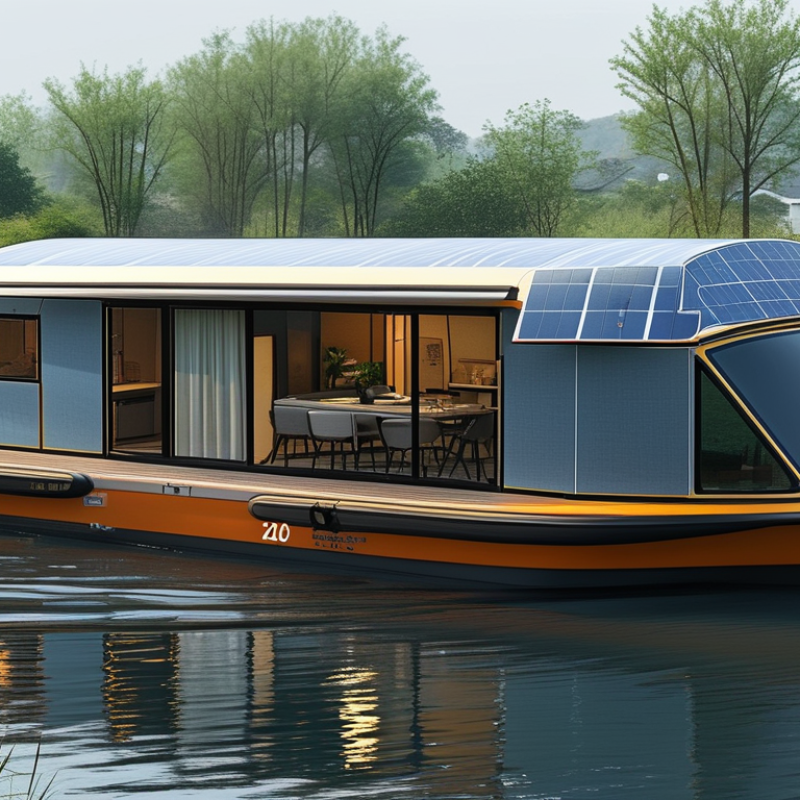
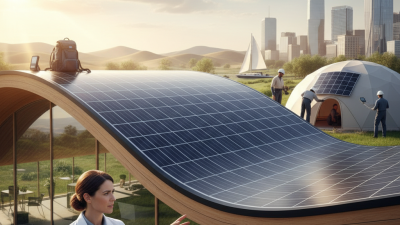
Selecting the right flexible solar panels is crucial for maximizing energy efficiency. Flexible solar panels are lightweight, portable, and versatile. They can fit various surfaces, making them suitable for different needs. Whether for RVs, boats, or rooftops, their adaptability offers unique benefits.
However, not all flexible solar panels are created equal. Understanding specifications is vital. Look for efficiency ratings, wattage, and durability. Some panels may not withstand harsh weather conditions. Researching brands and their reputations can prevent disappointments.
Keep in mind the installation process and compatibility with your current systems. Some products are easier to install than others. Pay attention to warranty details as well. A solid warranty reflects the manufacturer’s confidence in their product. Choosing wisely can lead to long-term satisfaction and energy savings.
Understanding Flexible Solar Panels and Their Benefits
Flexible solar panels are gaining attention for their versatility and efficiency. Unlike traditional panels, they can bend and adapt to various surfaces. This flexibility opens new opportunities for installation, especially in limited or irregular spaces. Reports from the International Renewable Energy Agency (IRENA) indicate that flexible panels can be up to 20% lighter than rigid ones, making them ideal for portable applications like camping or marine uses.
The benefits extend beyond weight. Flexible solar panels often boast higher efficiency rates in low-light conditions. According to research by the National Renewable Energy Laboratory (NREL), these panels can retain up to 90% efficiency even in partial shade. This means that users can generate power more effectively in diverse environments. Furthermore, they are often made from durable materials that withstand harsher conditions, though long-term performance can vary based on installation quality and maintenance practices.
Despite these advantages, it is crucial to consider potential drawbacks. Some flexible panels may not offer the same durability as their traditional counterparts. Lifespan and warranty options can differ significantly, requiring careful research. Users should weigh their specific needs against the performance capabilities of these panels. Understanding the balance between installation flexibility and the trade-offs in longevity is key to making an informed choice.
Factors to Consider When Choosing Flexible Solar Panels
When selecting flexible solar panels, several factors deserve careful consideration. The efficiency rating is crucial. Higher efficiency means more energy conversion from sunlight to electricity. Look for panels with a proven track record. Compare technical specifications such as power output per square meter. This can directly affect how much energy you can generate in limited spaces.
Weight and flexibility play significant roles. Lightweight panels are easier to install and transport. They can conform to various surfaces, making them ideal for unique applications like RVs and boats. However, be cautious; some lightweight models may sacrifice durability. Assess the material used. Monocrystalline panels are typically more efficient, but polycrystalline options are often cheaper.
Consider the environmental factors where the panels will be installed. If conditions are prone to high winds or hail, durability becomes paramount. Look for impact resistance ratings. Remember that installation location impacts performance too. Shaded areas yield less energy. Each option has pros and cons, requiring reflection on your specific use case. Understanding these factors can help you make a more informed decision.
Factors to Consider When Choosing Flexible Solar Panels
Comparing Different Types of Flexible Solar Panels
When selecting flexible solar panels, understanding the various types is crucial. There are three main categories: thin-film, organic photovoltaics (OPV), and concentrator photovoltaics (CPV). Each type has distinct characteristics and benefits. Thin-film panels are lightweight and portable, making them ideal for various applications. OPVs are known for their flexibility and versatility, suitable for unconventional surfaces. In contrast, CPV panels are designed for efficiency, converting more sunlight into energy.
Consider these tips when choosing flexible solar panels. Assess your space and energy needs accurately. Ensure the panels will fit well in your intended location. Performance yield varies by type, so research how much power each option can generate. Don't overlook installation requirements, as they can differ significantly.
Some users report challenges when integrating flexible panels. For instance, they may find the adhesive methods demanding. Others may experience issues with weather resistance over time. Reflecting on these experiences can improve future choices. Always consult reliable sources for guidance. The right flexible solar panel can meet your specific needs and enhance energy efficiency.
Evaluating Efficiency and Performance of Flexible Solar Panels
When evaluating the efficiency and performance of flexible solar panels, several factors come into play. These panels, known for their lightweight and versatile design, demonstrate varying degrees of conversion efficiency. Current data indicates that the average efficiency of flexible solar panels hovers around 10-15%. In contrast, traditional silicon panels often exceed 20%. This discrepancy prompts a closer examination of their performance in diverse applications.
One key aspect to consider is their ability to perform under different conditions. Studies show that flexible panels retain up to 80% of their efficiency in partial shading, while rigid panels can lose significant power output. This quality makes them particularly suitable for installations in urban environments where space and exposure can be limited. Durability also plays a crucial role. Some reports suggest that flexible panels can degrade faster than traditional models, with some manufacturers noting a lifespan of only 10-15 years.
Beyond efficiency numbers, user experiences are essential for evaluation. Some users report challenges with installation and handling, as flexible panels may require specialized mounting hardware. The handling flexibility can lead to misconceptions about robustness. Reflecting on these factors can guide buyers toward a more informed decision, addressing both performance potential and practical limitations when choosing solar technology.
Installation and Maintenance Tips for Flexible Solar Panels
When considering flexible solar panels, installation plays a crucial role in their performance. Proper placement is essential to maximize sun exposure. Ensure the surface is clean and smooth before installation. This prevents damage and ensures adhesion. Use a specialized adhesive designed for solar panels. This ensures a secure fit that can withstand various weather conditions.
Maintenance of flexible solar panels is equally important for longevity. Regularly check for dirt and debris buildup. A simple rinse with water often suffices. However, be cautious not to use abrasive materials. These can scratch the surface and reduce efficiency. It’s wise to inspect the panels every few months. Look for any signs of wear or unusual damage. Addressing these issues early can prevent costly repairs later.
On the other hand, some users overlook the importance of shading. Nearby trees or structures can significantly diminish energy output. It's worth considering the environment before installation. Sometimes, relocating a panel seems necessary. Reflecting on these aspects ensures you make better choices for sustainable energy solutions.